The Glass Pour
Every restaurant has two operations running at once. The one the guests see — candlelight, easy service, the illusion that it's supposed to look this effortless. And the one underneath, where the whole night actually got decided hours before anyone was seated.
Most rooms are only running the first one on purpose. The second one runs on whoever is on the roster.
I write about the second one.


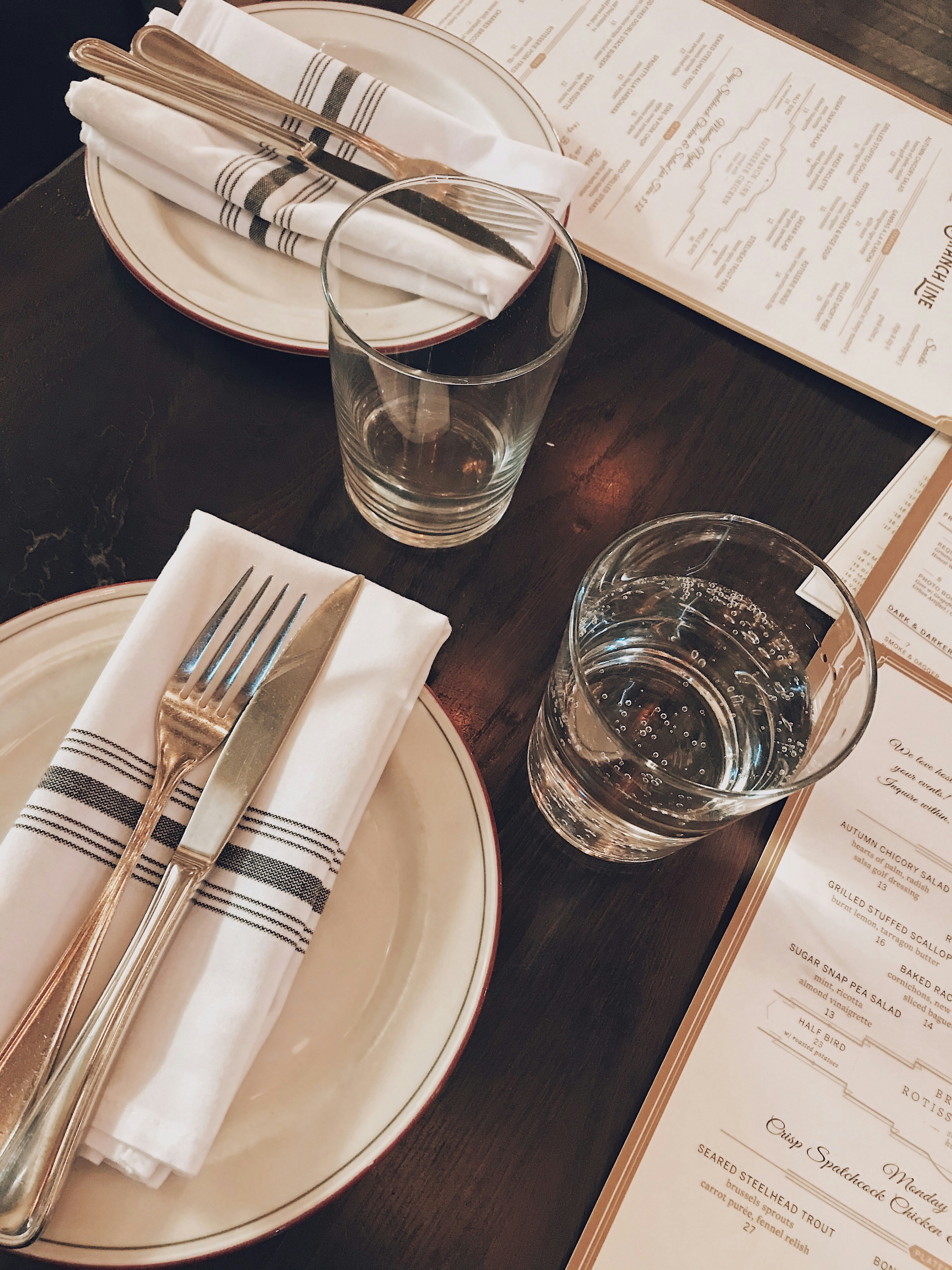


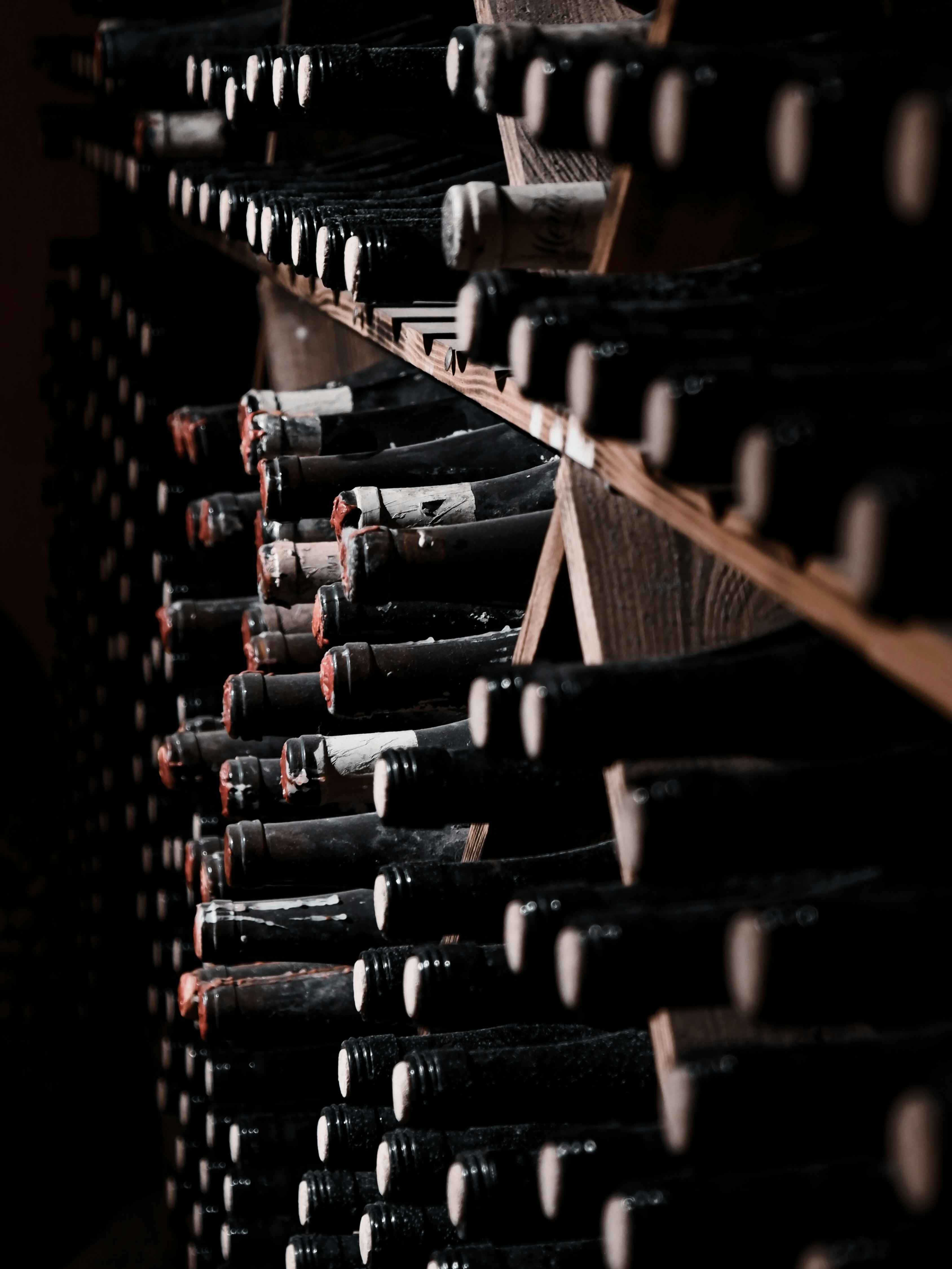
I've spent more than twenty years inside hospitality operations, and I'm still in them now. Independent fine dining, luxury hotel groups, catering at scale, standalone bars. The floor, the pass, the cellar, the P&L. Every altitude the industry runs at.
That range is the whole point. Most people who write about this business know one kind of dining room, at one level, in one market — and what they know is real, but it's narrow. The patterns that actually decide an operation don't show up until you've stood in enough different buildings to watch the same thing break the same way. The wine list that stopped selling. The pre-shift that decided the night before it started. The standard that held in one room and quietly collapsed in the next.
I've been the new manager who inherited a bleeding operation and the director who had to explain the number to people who'd never worked a floor. I've built programs that survived and watched good ones fall apart for reasons nobody could name at the time. That's where the writing comes from — not theory, not a consultancy deck, but two decades of watching what works and what doesn't when the room is full and the pressure is on.